
I have walked rugged trails, faced sudden weather shifts, and relied on instinct as much as planning. A screen can guide a path, yet a well-written Long-distance Europe hiking book brings depth no app can match. Pages hold stories, cultural insight, and route logic built through real miles. Digital tools move fast, yet print guides ground a journey in context and meaning. So, do books still matter in an age of GPS precision? From my experience, the answer leans toward a clear yes, though balance remains key.
Why Printed Hiking Guides Still Hold Value
GPS apps deliver speed and accuracy. Still, books offer something richer. They frame a trek as a full experience rather than a set of coordinates.
A guide like my work on Corsica reflects lived experience. Trail notes come with personal judgment, not just data points. Readers gain a sense of terrain, mood, and local rhythm. In contrast, apps reduce paths to lines on a map. Both help, yet books bring depth.
Cultural context stands out as another strength. A trail across Europe crosses villages, traditions, and history. Books capture these layers in a way apps rarely attempt. You learn why a route matters, not just how to follow it.
Reliability also plays a role. Batteries die. Signals drop. Printed guides stay ready at any moment. No updates required, no glitches in remote valleys.
Where GPS Hiking Apps Take the Lead
Digital tools have transformed navigation. Real-time tracking gives hikers confidence, especially in unfamiliar terrain. Rerouting becomes simple. Elevation profiles, weather updates, and offline maps add layers of convenience.
For new hikers, apps reduce entry barriers. A quick download replaces hours of planning. Safety improves as well. Location sharing and emergency features create a safety net.
Still, reliance on apps alone can narrow awareness. Eyes stay glued to a screen instead of the trail ahead. A balanced approach works better.
Blending Books and Apps for the Best Experience
I encourage hikers to treat books and apps as partners, not rivals. Each serves a clear role.
- Use a Long-distance Europe hiking book to understand the route, culture, and daily pacing
- Rely on GPS apps for live navigation and quick adjustments
- Cross-check both sources to avoid errors or outdated info
- Carry a book as backup during long remote stretches
This blend builds confidence and enriches the journey. You stay informed while keeping flexibility.
Why Corsica Treks Highlight the Difference
Corsica offers a perfect case study. The GR20, featured in Books about Corsica trek, challenges hikers with rugged paths and fast-changing weather. Apps help track position, yet they miss the nuance of terrain difficulty or shelter quality.
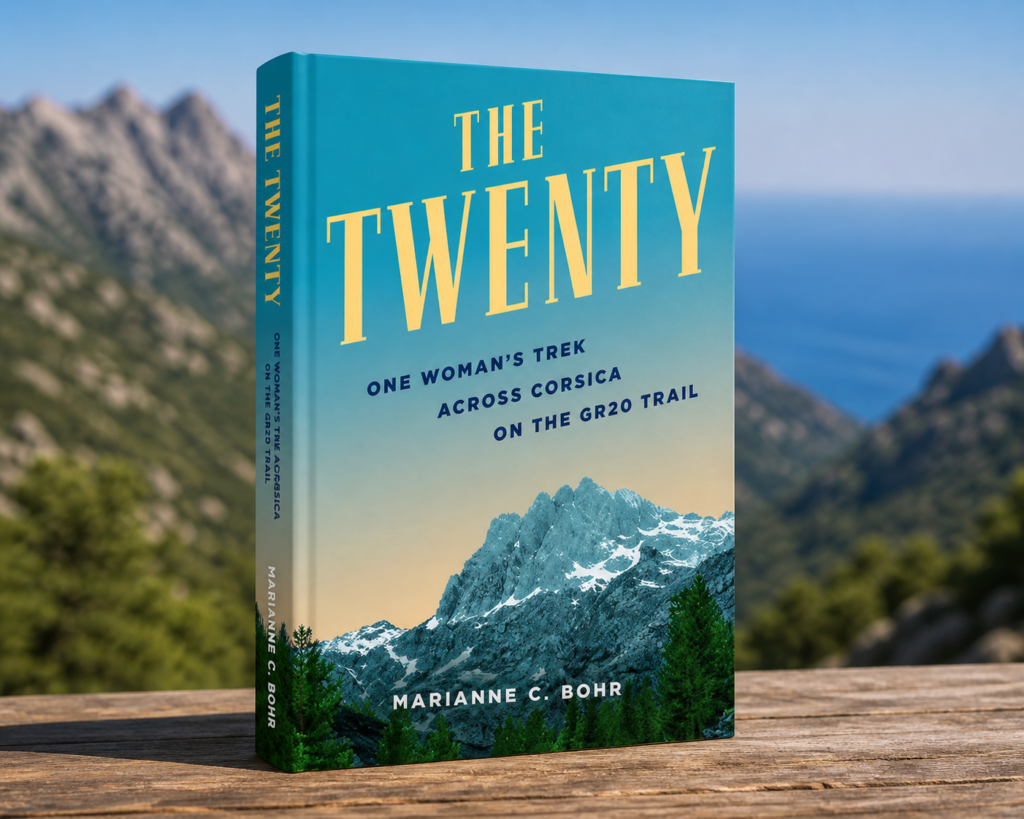
In my book The Twenty, I detail daily segments, water sources, and local insights drawn from direct experience. Such depth helps hikers prepare mentally and physically. Digital maps alone cannot replace this level of guidance.
For anyone planning this route, I recommend you buy The Twenty Corsica trek book as a core resource. It complements any app and prepares you for real conditions on the ground.
Final Thought
Technology keeps improving, yet the heart of hiking stays unchanged. Connection to land, culture, and self defines each journey. Books preserve this essence, while apps add efficiency. I see no need to choose one over the other. Use both with intent, and your trek becomes richer, safer, and far more memorable.
If you are planning your next European adventure, take a closer look at my guide memoir and buy The Twenty Corsica trek book to build a solid foundation before you set foot on the trail.
FAQs
1. Are hiking books still relevant with advanced GPS apps available?
Yes, hiking books remain valuable. They provide detailed route insights, cultural context, and practical advice drawn from real experience. Apps focus on navigation, while books prepare hikers mentally and physically for the full journey, which leads to a more informed and rewarding trek.
2. How do Books about Corsica trek improve hiking preparation?
These books offer terrain breakdowns, shelter details, and water availability across each stage. They also explain local conditions and trail challenges. Such insights help hikers plan better, avoid surprises, and manage energy levels throughout demanding routes like the GR20.
3. Should beginners rely more on apps or books?
Beginners benefit from using both. Apps simplify navigation and reduce stress on the trail. Books explain pacing, gear choices, and route expectations. Combining both tools creates a safer learning curve and builds confidence during early hiking experiences.
4. Is it worth carrying a physical guide on long hikes?
Yes, carrying a physical guide adds reliability. Devices can fail due to battery loss or weather exposure. A book stays functional at all times and serves as a dependable backup, especially in remote regions where digital access becomes limited.
5. Where can I Buy The Twenty Corsica trek book, and why choose it?
You can purchase it through Marianne C. Bohr official site. The book stands out due to first-hand experience and practical advice tailored for Corsica’s demanding trails. It supports both new and experienced hikers aiming for a successful trek.
